
Paros Dance Festival
P.D.F (PAROS DANCE FESTIVAL)
18/06/23 – 21/07/23
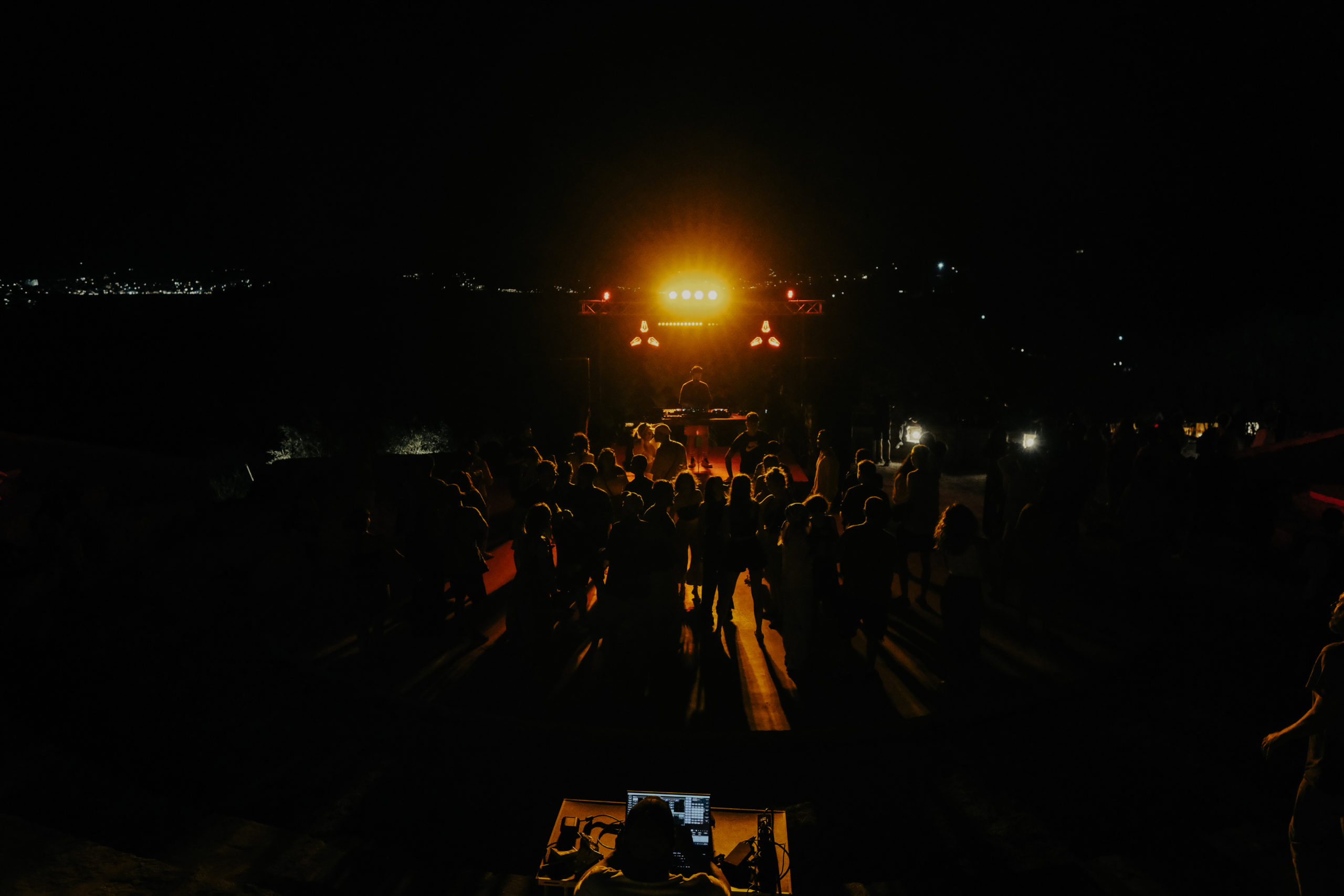
PDF IS AN ELECTRONIC MUSIC FESTIVAL THAT WILL HIGHLIGHT OUR ISLAND AND ITS ANCIENT MONUMENTS THROUGH LIVE MUSIC & VIDEO STREAMINGS AND AN INTERNATIONAL DANCE EVENT
MUSIC
INTERNATIONAL FESTIVALS
LIVE ACTS
CULTURE
A PAROS FINEST PRODUCTION
EUROPEAN MUSIC DAY 21/06
PAROS YOUTH FESTIVAL 21/07
A COLLECTIV UNKNOWN KICKSTARTER
Paros Calling
A small island named Paros flows by its Energy and passion of united People the necessary regelialia.
Local Artists – International Visitors
International Destination
Paros Island Is The Next Jet Set Top Destination. Will you miss it?
Are You a Supporter?
WE’RE HERE TO UNITE PEOPLE AND SUPPORT THE NEW GENERATION
Discover the benefits of dance for brain and psychology
Did you know that scientific research has proven the positive effects that dancing has on brain health and our psychological state? Researchers have shown that dancing can improve memory, concentration and cognitive functions. In addition, participating in dance activities can help reduce stress, combat depression and increase well-being. Evidence has also shown that dancing can help boost brain size and extend the lifespan of brain cells.
Dance is a modern well-being treasure for our brain and psychology. Scientific research has proven the positive effects of dance in these areas and has highlighted its role as an effective way to improve our well-being. The effect of dance on our brain and psychology is real and scientifically proven. Dance is not just an exercise activity, but a way of expression and interaction that affects the brain on many levels.
Dance is much more than just continuous movement of the body. When we dance, we develop an awareness of our body and movements, while at the same time letting the music guide us. This interaction between physical movement and music has positive effects on our brain and psychology. Dance has emerged as a unique means of expressing and releasing our emotions. During the dance, we allow our bodies to express themselves through the movements and rhythms, while allowing our minds to calm down and release stress and anxiety. Dance acts as a kind of transport for our emotions, allowing us to release them and share them with others.
Dancing has also been shown to improve our mental health. During the dance, the release of endorphins and serotonin causes a feeling of euphoria and well-being. This can improve our mood and reduce stress and depression. Dancing is also an activity that combines physical exercise with social interaction. When we dance, we collaborate with other dancers, connecting with each other through movement and music. This promotes a sense of community and cooperation, creating a sense of togetherness and happiness.
An interesting example is dance therapy, which is used to treat various ailments and mental health problems. Dance therapy helps to release emotions, relieve stress and improve self-esteem and confidence. Dance, then, is a modern well-being treasure for our brain and psychology. Through conscious movement, emotional expression and social interaction, dance can enhance our well-being and provide an escape from the stress and pressures of everyday life.
Effect of dance on memory and cognitive function
Beyond the enjoyment and expression of our emotions, dance has effects that reach far beyond the ballroom. Many scientific studies have shown the connection of dancing with the improvement of memory and cognitive performance.
One of the studies conducted by the University of the United Kingdom discovered that dancing can have a positive effect on memory. In this study, two groups of people were compared, one who participated in dance classes and one who did not. The results showed that people who participated in the dance classes had improved memory compared to the other group. Dance appears to enhance declarative memory, which is our ability to discover and recognize information from our memory. This form of memory is critical for storing and recalling information and contributes to the flexibility and accuracy of our cognitive function.
In addition, dance has effects on cognitive function, which includes attention, concentration and information processing. A study published in the journal Frontiers in Aging Neuroscience ” highlighted the connection of dance to improved cognitive performance in older adults. Participants in dance activities showed improved executive control function, which refers to the ability to adapt and multitask.
The mechanisms associated with these effects of dance on memory and cognition are complex. Dance is associated with increasing body awareness and motor sensitivity, promoting the connection between different areas of the brain. In addition, dancing increases the release of neurotransmitters, such as dopamine and serotonin , which are associated with increased attention, well-being and memory.
Dance and dealing with stress and depression
Another interesting aspect is the contribution of dance to the reduction of stress and the treatment of depression. Many studies have shown the positive effect of dance in reducing stress. During dancing, the human brain releases endorphins , which we often call “hormones of happiness”. This results in a feeling of relaxation and well-being, reducing stress levels. In addition, dancing requires timing and concentration, providing a pleasant escape from everyday pressures and worries.
Dealing with depression is another important benefit of dancing. Dance can act as a therapeutic tool for those dealing with depression. During the dance, body movements combine with music and expression, creating a feeling of freedom and liberation. This can help release negative emotions and relieve depression. The mechanisms that explain this function include the release of endorphins , the “happy hormones”, which cause a feeling of well-being and relaxation. In addition, dance helps release elements related to expression and self-confidence, enhancing self-esteem and a positive attitude towards life.
Dance as a means of well-being and brain development
Researchers have discovered many important connections between dance and the well-being of the human brain. Research has shown that dancing has a positive effect on brain function. During dance, many areas of the brain are activated simultaneously, including sensory, motor, and cognitive areas. This multi-level brain activity improves perception, memory and cognitive functions. In addition, the complex coordinated movement required for dance improves coordination and balance, enhancing nervous system function.
Dancing has also been shown to enhance a sense of well-being. During dancing, the brain releases endorphins , also known as “happy hormones”. These hormones cause feelings of relaxation, euphoria and well-being. Thus, dancing can act as a natural anti-depressant, helping to deal with depression and stress. In addition, dancing enhances expression and self-confidence. When we dance, we express ourselves through body movement and collaboration with the music. This expression and cooperation enhances self-esteem and a positive attitude towards life. In addition, dance can help discover and express feelings that may be difficult to put into words. Thus, dance acts as a means of liberation and release of negative emotions.
Βιβλιογραφικές Πηγές
- Müller, P., Rehfeld, K., Schmicker, M., Hökelmann, A., Dordevic, M., Lessmann, V., … & Müller, NG. (2018). Dancing or fitness sport? The effects of two training programs on hippocampal plasticity and balance abilities in healthy seniors. Frontiers in Human Neuroscience, 12, 350.
- Kattenstroth, JC., Kolankowska, I., Kalisch, T., & Dinse, HR. (2013). Superior sensory, motor, and cognitive performance in elderly individuals with multi-year dancing activities. Frontiers in Aging Neuroscience, 5, 4.
- Rehfeld, K., Lüders, A., Hökelmann, A., Lessmann, V., & Kaufmann, J. (2020). Dancing or fitness sport? The effects of two training interventions on the white matter structure of the aging brain: A randomized controlled trial. Frontiers in Aging Neuroscience , 12, 190.